Of all the specialty categories you’ll find tucked into booths across an antique mall, militaria might be the one with the deepest sense of history behind it, y’all. Every uniform, helmet, and storage box tells a story about a real person, a real unit, a real moment in time — which is exactly why it’s become one of the most passionate corners of the collecting world. If you’re just getting started, here’s a real primer on what’s out there, what to look for, and how to collect thoughtfully.
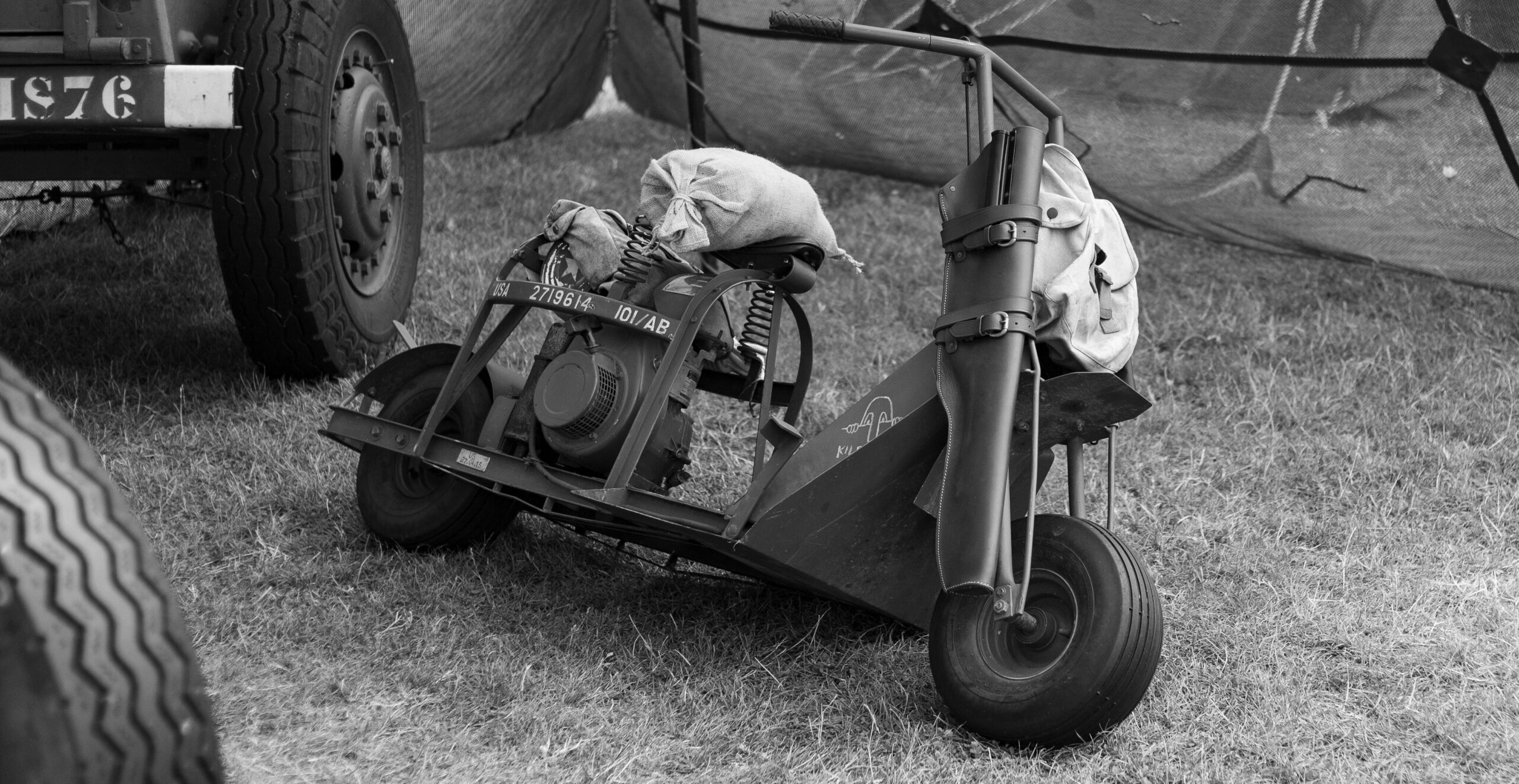
Why Militaria Collecting Endures
Militaria appeals to a wide range of collectors for different reasons. Some are drawn to the craftsmanship — the tailoring on a period uniform, the engineering behind a piece of field gear. Others collect to honor family history, tracking down items connected to a relative’s service. Still others are drawn purely to the historical significance, treating their collection almost like a personal museum of a specific conflict or era.
Whatever draws you in, militaria collecting rewards patience and research more than almost any other category, since authenticity, provenance, and historical context all directly affect both value and meaning.
Uniforms
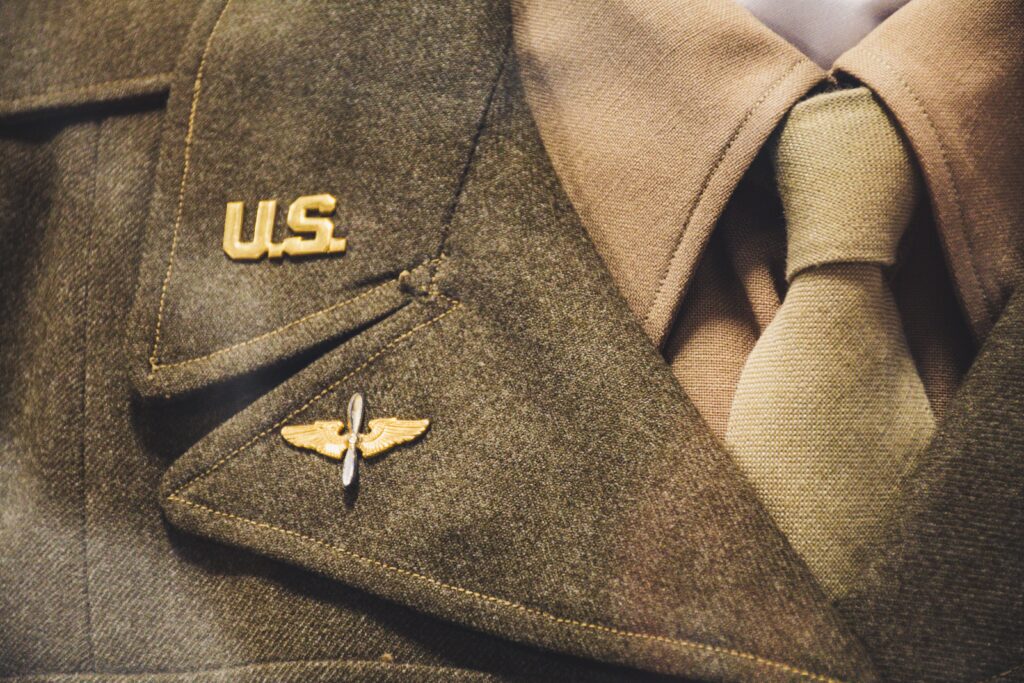
Military uniforms are one of the most visually striking categories, and also one of the most heavily reproduced, which makes careful buying essential.
What to look for. Original stitching patterns, period-correct fabric, and manufacturer or quartermaster stamps (often found inside collars or waistbands) are strong indicators of authenticity. Uniforms tied to a specific unit, rank, or documented service member carry significantly more value and historical weight than generic, undocumented pieces.
Condition considerations. Uniforms are textiles, which means they’re vulnerable to moth damage, fading, and fabric breakdown over time. A little wear is expected and often adds character, but structural damage or heavy staining can meaningfully affect value.
Common eras you’ll encounter. Antique malls regularly turn up pieces from World War I and World War II, the Korean and Vietnam War eras, and occasionally earlier conflicts. Each era has distinct silhouettes, insignia placement, and material choices worth learning to recognize.
Helmets
Helmets are often the centerpiece of a militaria collection — visually bold, historically significant, and satisfying to display.
Check the liner and hardware. Original liners, chin straps, and rivets are strong authenticity indicators, since many reproduction helmets use modern hardware that doesn’t quite match period specifications.
Look for maker’s marks. Many military helmets carry stamped manufacturer codes or inspection marks on the shell or liner, which can help identify production date and origin.
Painted markings matter. Unit insignia, rank markings, or camouflage patterns painted directly onto a helmet can add significant historical and monetary value, especially when the markings can be tied to a documented unit.
Ammunition Storage Boxes
Ammunition crates and storage boxes are a favorite among collectors who love the industrial, utilitarian side of militaria — and they make for genuinely great display and even functional storage pieces at home.
Wood vs. metal construction. Older ammunition boxes are often wood with metal reinforcement, while later 20th-century examples shift toward all-metal construction. Both are collectible, though wood examples from earlier conflicts tend to be rarer and more sought-after.
Stenciled markings are the highlight. Original stenciled text indicating contents, caliber, lot number, and manufacturer adds significant charm and collector interest — faded but legible stenciling is often preferred over anything that’s been repainted or “refreshed.”
Always confirm they’re empty and inert. Reputable sellers will only offer storage boxes that have been fully emptied and are sold purely as historical containers, never with live contents. If a listing or vendor is ever unclear on this point, it’s worth asking directly before buying.
Military Propaganda and Ephemera
Propaganda posters, ration books, newspapers, and related paper ephemera offer a fascinating, often overlooked window into how governments communicated with civilians and troops during wartime.
Historical context matters enormously here. Because propaganda was explicitly designed to persuade — and sometimes reflects the uglier realities of the eras it came from — thoughtful collectors generally approach this category as historical documentation, displaying and discussing pieces with appropriate context rather than glorifying the messages themselves.
Know the legal landscape. Some propaganda categories, particularly items connected to certain 20th-century regimes, carry legal restrictions in specific countries. If you’re collecting across borders or displaying items publicly, it’s worth understanding the laws that apply to your specific location before buying or selling.
Condition and rarity. Paper ephemera is fragile by nature, so condition varies widely. Look for fading, tears, and foxing, and consider archival framing or storage to protect anything you plan to keep long-term.
Medals, Insignia, and Small Collectibles
Medals, unit patches, rank insignia, and dog tags round out most militaria collections, and they’re often the most accessible entry point for new collectors due to their smaller size and more approachable price points.
Documentation adds real value. A medal or dog tag that can be traced to a specific, named service member — through research, accompanying paperwork, or family provenance — is worth substantially more than an anonymous example, both financially and historically.
Reproductions are everywhere in this category. Because small items are easy and cheap to reproduce, this is an area where buying from a knowledgeable, reputable vendor matters more than almost anywhere else in militaria collecting.
Field Gear and Equipment
Canteens, mess kits, backpacks, tents, and other field equipment offer a more everyday glimpse into military life, and they tend to be more affordable and more available than uniforms or helmets.
Functionality is part of the appeal. Many collectors enjoy that field gear was built to be used, and pieces often show honest wear from actual service — a detail that adds to their story rather than detracting from their value.
Watch for later reissues. Some field gear designs stayed in production for decades with only minor changes, so pinning down an exact era sometimes requires close attention to material changes, stampings, and construction details.
How to Spot Reproductions
Reproductions and outright fakes are unfortunately common across every militaria category, so a few consistent habits help protect you:
Research before you buy anything significant. Learn the specific markings, materials, and construction details associated with the era and item type you’re interested in before making a meaningful purchase.
Buy from knowledgeable, reputable vendors. A vendor who specializes in militaria and can speak confidently and specifically about an item’s history is a much safer bet than an unfamiliar seller who can’t answer detailed questions.
Be skeptical of “too perfect” condition. Genuinely old militaria almost always shows some honest wear. Pieces claiming significant age but looking suspiciously pristine deserve a closer, more skeptical look.
When in doubt, get a second opinion. For a significant purchase, consulting a specialist or fellow collector before buying can save you from an expensive mistake.
Caring for Your Collection
Militaria spans a wide range of materials — fabric, metal, leather, paper — each with its own care needs.
Control your environment. Stable temperature and humidity matter enormously for textiles and paper items in particular. Avoid attics, damp basements, and direct sunlight for long-term storage or display.
Handle with clean, dry hands. Oils and moisture from skin can damage metal, paper, and fabric surfaces over time, especially with repeated handling.
Avoid aggressive cleaning or restoration. As with most antiques, honest age and original condition are usually more valuable than an item that’s been heavily cleaned or restored. When in doubt, leave a piece as-is rather than risk damaging it.
Collecting Responsibly
Militaria carries real historical weight, and a lot of it connects directly to loss, sacrifice, and difficult chapters of history. Thoughtful collectors generally approach the hobby with a sense of respect — treating pieces as historical artifacts worth preserving and understanding, rather than novelties. Many collectors also make a point of researching and honoring the individual history behind documented pieces whenever they can, which adds real meaning to the hobby beyond simply acquiring objects.
Where to Find Great Militaria
Antique malls are one of the best places to find militaria, precisely because the multi-vendor format means you’ll often find several different specialists under one roof — one booth focused on uniforms and insignia, another on field gear, another on paper ephemera. Building a relationship with vendors who specialize in this category, and visiting regularly, is one of the best ways to see new inventory as it comes in.
Ready to start your search? Browse Cranky Gator’s directory to find antique malls and shops near you — and don’t be surprised if you strike up a great conversation with a vendor who loves this history as much as you do.