If you’ve ever typed “flea market vs antique mall” into Google before a weekend of treasure hunting, you’re not alone. I’ve heard folks use the two terms almost interchangeably — but they’re pretty different experiences, with different vendors, prices, and finds. Grab your coffee and let’s sort out the difference, so you know exactly where to point the car this weekend.
What Is a Flea Market?
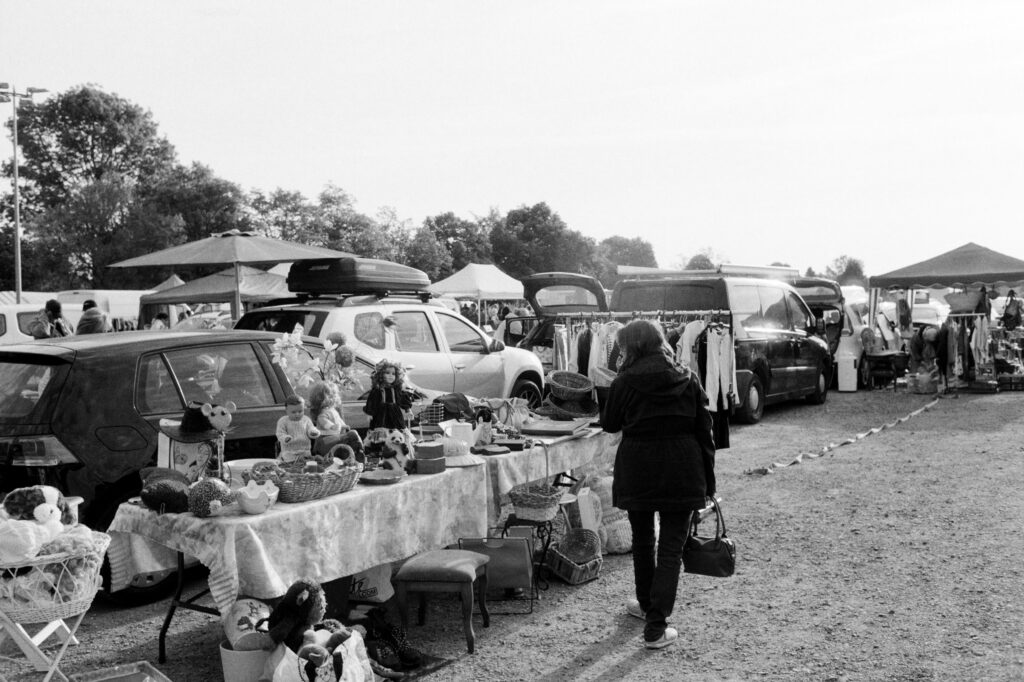
A flea market is usually an outdoor or semi-outdoor event, often held on weekends, where dozens (sometimes hundreds) of independent sellers set up temporary tables or tents. Inventory at a flea market is a grab bag: new merchandise, homemade crafts, secondhand household goods, tools, produce, and yes — sometimes genuine antiques mixed in with the rest.
Because flea markets are temporary and vendors pay for space by the day or weekend, prices tend to be negotiable, and the overall vibe is casual and fast-moving. You might find a hidden gem, or you might spend an hour digging through folding tables of odds and ends. Half the fun is not knowing.
What Is an Antique Mall?
An antique mall, on the other hand, is a permanent indoor space where individual vendors rent dedicated booths or display cases year-round. Each booth is essentially its own curated mini-shop, run by a specific vendor who finds their own inventory, sets their own prices, and arranges their own display.
Because booths are permanent, vendors tend to specialize. One booth might focus on vintage glassware, another on mid-century furniture, another on estate jewelry. Items are typically tagged with set prices (though some vendors will negotiate), and the mall itself is open regular business hours rather than just weekends.
The Key Differences at a Glance
Setting: Flea markets are often outdoors and temporary; antique malls are indoor and permanent.
Vendor commitment: Flea market vendors may rotate week to week; antique mall vendors maintain the same booth long-term, which usually means more consistent quality and better-curated inventory.
Pricing: Flea market prices are more negotiable on the spot; antique mall prices are typically marked and more fixed, though many vendors are still open to reasonable offers.
What you’ll find: Flea markets mix new, handmade, and secondhand items together; antique malls focus specifically on antiques, vintage items, and collectibles.
Shopping experience: Flea markets reward wandering and digging; antique malls reward slower browsing through organized booths, almost like walking through a museum where everything’s for sale.
Related Reading
- Antique Mall Glossary: Terms Every Beginner Should Know
- Best Days and Times to Visit an Antique Mall
Which One Should You Visit?
If you’re after a specific kind of antique — say, Depression glass or vintage tools — an antique mall is usually the better bet, since you can browse specialized booths without sifting through unrelated merchandise. If you’re in the mood for a treasure-hunting adventure and don’t mind digging, a flea market can turn up surprises you’d never find anywhere else.
Honestly, the best antiquers do a little of both. But if you’re looking for a reliable, well-curated way to spend an afternoon — no dodging summer thunderstorms required — that’s exactly what a good antique mall offers over a flea market.
Ready to find one near you? Cranky Gator’s directory covers antique malls and shops all over the US and Canada — search your area and see what’s waiting.