Somewhere in the world right now, a grown adult is paying more for a plastic toy from a fast food kids’ meal than they paid for their last car repair. Somewhere else, a chipped teacup is being insured for more than a small house. And somewhere in your own attic, there might be a shoebox of “junk” that could fund a very nice vacation.
Welcome to the wonderfully irrational world of antiques and collectibles, where value has almost nothing to do with usefulness and everything to do with story, scarcity, and the strange alchemy of human desire.

What Even Makes Something “Valuable”?
Let’s get the boring-but-important part out of the way first, because it actually explains all the weird stuff that follows.
Collectible value boils down to a handful of factors: rarity, condition, provenance (its history and who owned it), demand, and cultural significance. None of these are about how well-made or functional an object is. A mint-condition first pressing of a record is worth more than a scratched one that sounds identical to the human ear. A painting with a documented, unbroken chain of ownership back to the artist’s studio is worth more than an identical-looking one with a murky past. It’s not about the object. It’s about the story the object lets you tell.
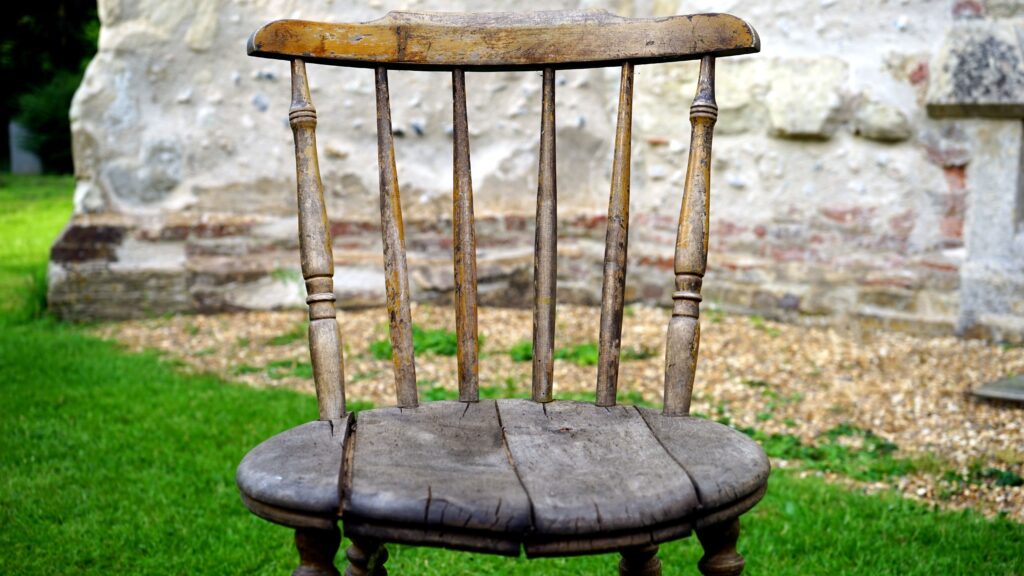
This is why the antiques world can feel so baffling from the outside. You’re not buying a chair. You’re buying “the only surviving chair from this workshop, made in this specific decade, that once sat in a room where something notable happened.” The chair is just the delivery mechanism for the story.
The Classics: What We Expect to Be Valuable
Some categories of “old stuff is worth money” make intuitive sense, even if the specific numbers are eye-watering.
Fine art is the obvious one. A single Leonardo da Vinci painting, “Salvator Mundi,” sold at auction for $450.3 million in 2017, making it the most expensive painting ever sold at auction. The astonishing part isn’t just the price tag; it’s that experts still argue about how much of the painting was actually done by da Vinci himself versus his workshop assistants. The value isn’t purely in the brushstrokes. It’s in the possibility.
Rare books and manuscripts operate on similar logic. A Gutenberg Bible, one of the first books ever mass-produced with movable type in the 1450s, is essentially priceless when one surfaces, with fragments and copies fetching millions. First editions of beloved novels, especially with a dust jacket intact (paper covers are the first thing anyone throws away, which makes surviving ones absurdly rare), can be worth more than the house you’d store them in.
Coins and stamps are perhaps the purest expression of scarcity-driven value, since the objects themselves are nearly worthless as raw material. A 1933 Double Eagle gold coin, minted but never officially released into circulation because the U.S. abandoned the gold standard right around then, sold for over $18 million in 2021. It’s a twenty-dollar coin. It was never legal to own for decades. That combination of rarity and forbidden mystique is collector catnip.
The Weird Ones: What Nobody Expected to Be Valuable
This is where things get genuinely fun, because the collectibles market has a habit of elevating objects that were never meant to last, never meant to be precious, and were sometimes actively designed to be thrown away.
Beanie Babies are the poster child for this. In the late 1990s, these unremarkable stuffed animals sparked a genuine speculative mania, with some rare tags selling for tens of thousands of dollars. Most of that value evaporated almost as fast as it appeared, which is its own lesson: manufactured scarcity (limited runs, “retired” designs) can create real short-term value, but it’s built on collective belief rather than genuine rarity, and that belief can vanish overnight.
Vintage video games have had a much stickier run. A sealed, graded copy of Super Mario 64 sold for $1.56 million in 2021, and a sealed copy of The Legend of Zelda sold for $870,000 around the same time. These weren’t limited-edition art pieces; they were mass-produced children’s entertainment. Their value comes almost entirely from the fact that almost nobody thought to keep the plastic shrink-wrap intact on a cartridge in 1996, so pristine, sealed, graded copies are now vanishingly rare survivors of a throwaway era.
Comic books follow the same pattern. A copy of Action Comics #1, the 1938 debut of Superman, sold for $6 million in 2022. It cost ten cents when it was published and was treated by most kids at the time as, understandably, disposable entertainment. The handful of copies that survived in good condition are worth a fortune precisely because almost everyone else’s mother threw theirs away.
Sneakers have become a legitimate collectible asset class. Game-worn Nike Air Jordan sneakers, autographed and worn by Michael Jordan himself during his rookie season, have sold at auction for well over $1 million. An entire secondary market now exists around limited sneaker releases, complete with authentication services, resale platforms, and the same rarity-plus-provenance logic that drives fine art.
Toys in general are a goldmine of this phenomenon. Original Star Wars action figures still sealed in their original packaging, particularly early “Kenner” releases from 1977 and 1978, can fetch tens of thousands of dollars. A children’s toy, made cheaply and sold by the millions, becomes valuable specifically because almost none of the millions survived intact. Kids play with toys. That’s the whole point of a toy. Which is exactly why an unopened one is so rare.
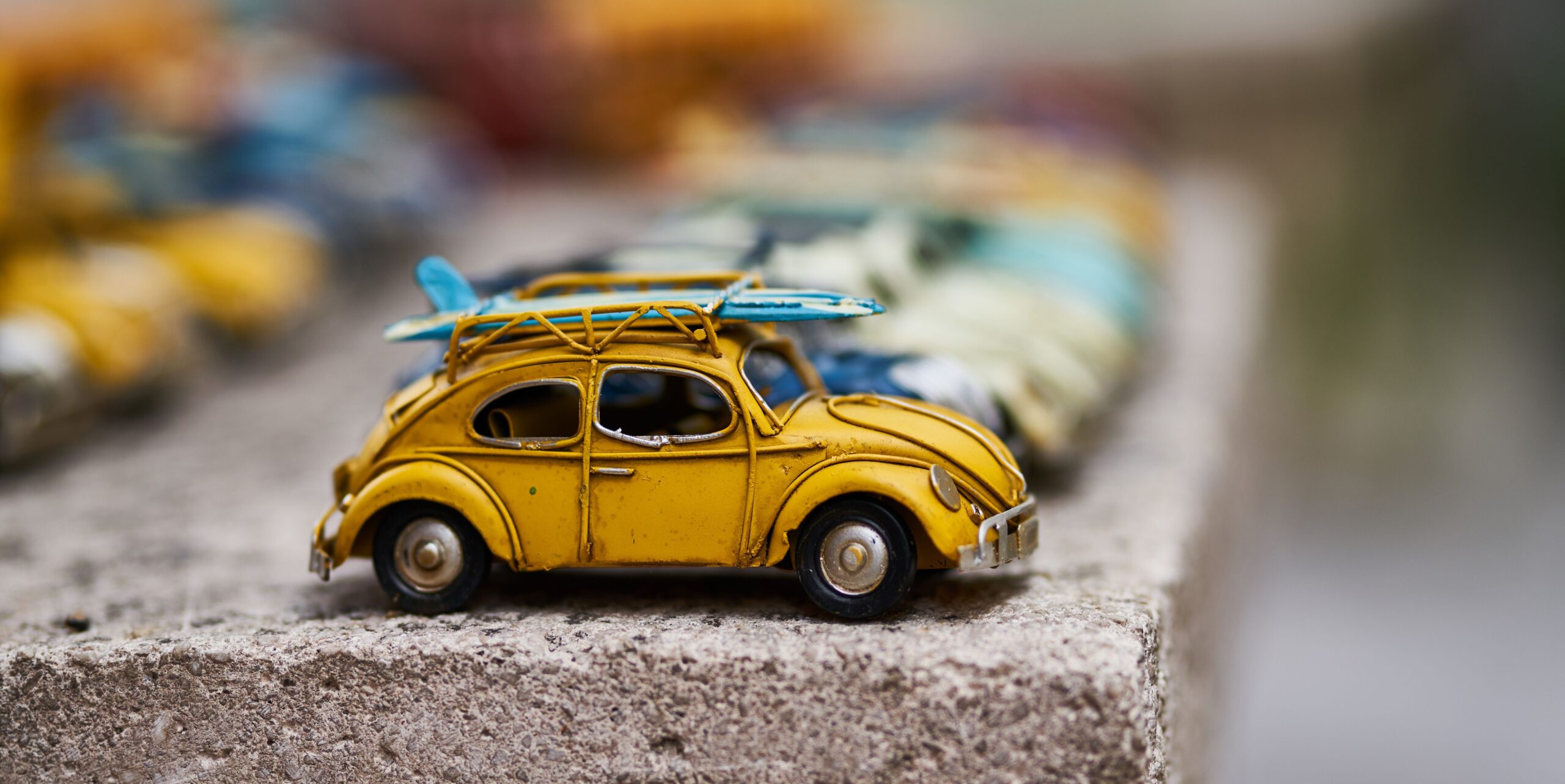
Furbies, Tamagotchis, and other 90s tech toys are quietly building collector followings too, following the well-worn path of nostalgia meeting scarcity. Give any mass-produced object enough time, and enough of its peers being lost, broken, or discarded, and it eventually crosses over from “junk” to “artifact.”
The Truly Strange: Value Nobody Could Have Predicted
Then there’s a category of collectibles so unexpected that they read almost like jokes.
A napkin doodled on by Elvis Presley. A single strand of hair from a historical figure, sold at auction as a genuine relic. Barf bags from commercial airlines, which have an actual dedicated collector community complete with trading conventions. Vintage barbed wire, which serious collectors distinguish by hundreds of different twist patterns and manufacturer variations from the American West’s fencing boom. Pez dispensers, particularly rare character variants from the 1970s, which can sell for thousands of dollars despite being, structurally speaking, a plastic candy delivery device.
Perhaps the most famous “wait, that’s valuable?” category is celebrity ephemera broadly. A lock of hair, a worn piece of clothing, a handwritten note. None of it has inherent artistic or functional merit. Its entire value is emotional and narrative: this object was physically touched by someone the world found fascinating, and owning it is the closest thing to owning a piece of that fascination.
Even error items get collected. Stamps printed upside down, coins struck off-center, action figures with factory paint mistakes. In most contexts, a manufacturing error makes something less valuable. In collecting, it can make something exponentially more valuable, because it proves the item slipped through quality control in a way that (usually) very few others did.
Why We Do This
It’s easy to laugh at the idea of insuring a rubber duck collection or bidding six figures on a sealed video game cartridge, but there’s something genuinely human underneath all of it.
Collecting is partly about control over time. Objects from childhood or from a bygone era let people hold onto a version of the past that otherwise only exists in memory. That’s a big part of why nostalgia-driven categories, toys, games, comics, tend to spike in value roughly when the generation that grew up with them reaches an age where they have disposable income and a longing for simpler days.
It’s partly about status and identity. Owning a rare object signals something about taste, wealth, or expertise, and collector communities often function like social clubs with their own shared language, rituals, and hierarchy of respect.
And it’s partly about storytelling. Every collectible carries a narrative: this survived when others didn’t, this was touched by someone important, this represents a moment in history that can never be recreated. Buying the object is really buying the right to be a caretaker of that story.
What This Means for the Shoebox in Your Attic
So, should you go dig through your closet expecting to find a retirement fund? Probably not, statistically speaking. Most old stuff is just old stuff. But the categories above share a few practical clues worth knowing:
- Condition matters enormously. Original packaging, tags, boxes, and manuals often matter more than the item itself.
- Completeness matters. A full set is worth dramatically more than the sum of its individual pieces.
- Documented history (provenance) adds real value, especially for art, memorabilia, and historical items.
- Errors and anomalies can flip an object’s value in unexpected directions.
- Timing matters. A generation’s nostalgia tends to peak, then wane, then sometimes resurge decades later.
At the end of the day, the antiques and collectibles world is a reminder that value isn’t some fixed, objective property of an object. It’s a conversation between scarcity, history, and desire. Sometimes that conversation produces a $450 million painting. Sometimes it produces a five-figure Beanie Baby. Either way, apparently, it’s valuable.